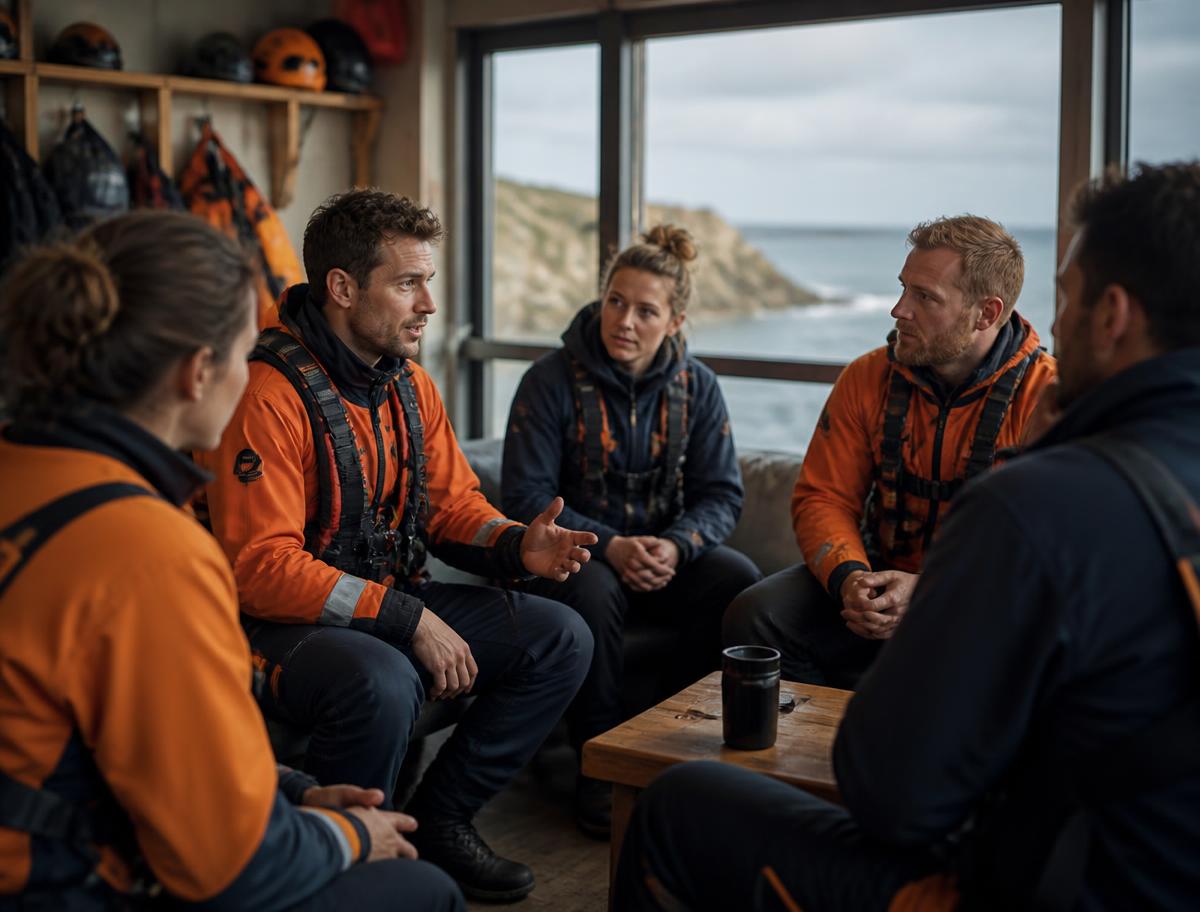
Healthy high-performing teams are characterised, in part, by fear-free work environments (psychosocial and psychological safety); professionalism and mission-focus; ego-management; respectful, honest communication; and a genuine desire for mutual self-growth — a form of commitment to continuous improvement.
Signs of a healthy team
| Characteristic | Description |
|---|---|
| Freedom from fear | Team-members are not afraid to communicate, share ideas, offer suggestions, respectfully challenge decisions, or call out dangers and unhealthy behaviour. They are free of the fear of retribution — including fear of their own team-members and leadership. |
| Open communication | People can speak to one another and to leadership in respectful, structured ways. They are not silenced, and they are free to express concerns, objections and requests. |
| Ethical leadership | Leadership holds itself to a higher ethical standard, self-reflects, expects healthy conduct from everyone, and allows concerns and objections to be raised. |
| Psychological safety | Leadership actively creates an environment free of fear. If it is not lived top-down, it will not work. |
| Mutual self-growth and uplifting | Errors and problems are identified and resolved — but people are not put down in the process. The aim is solutions, prevention and improvement, never at the expense of a teammate. |
| Mission-focus and discipline | The mission is clearly described and the team is collectively focused on it, developing one another toward ever-increasing operational excellence and proficiency. |
| Swift handling of toxic behaviour | Gossip, manipulation, exclusion, mobbing, singling-out, belittling, blame-shifting, closing ranks and withheld recognition are not tolerated. Eliminate the behaviour, not the team-member. |
| Accountability and honesty | Leaders and members admit mistakes, make amends, and do not repeat the harm. The organisation prioritises growth over termination. |
Why it matters operationally
Fear-based cultures produce communication failures, under-reported errors, reluctance to challenge unsafe decisions, turnover, isolation, interpersonal conflict, preventable harm, avoidable legal action, and damage to public trust. Team health is not a soft extra — it is an operational asset.
How SoS helps
- Team health reviews and teamwork / leadership audits
- Fear-Aware Coaching and consulting for leaders and crews
- Talks, presentations and workshops for stations, teams and conferences
- Written guidance, policy input and content creation on psychosocial safety
Is your team fear-free?
Hire SoS for a team health review, a talk, or ongoing consulting — or partner with us on research and advocacy.
Get in touch